Elon Musk announced the end of production for the Tesla Cybertruck by the summer of 2027 in a post on X, making way for Cybercab production to take its place, with prices of the Cybertruck increasing at the same time.
Unveil and Launch
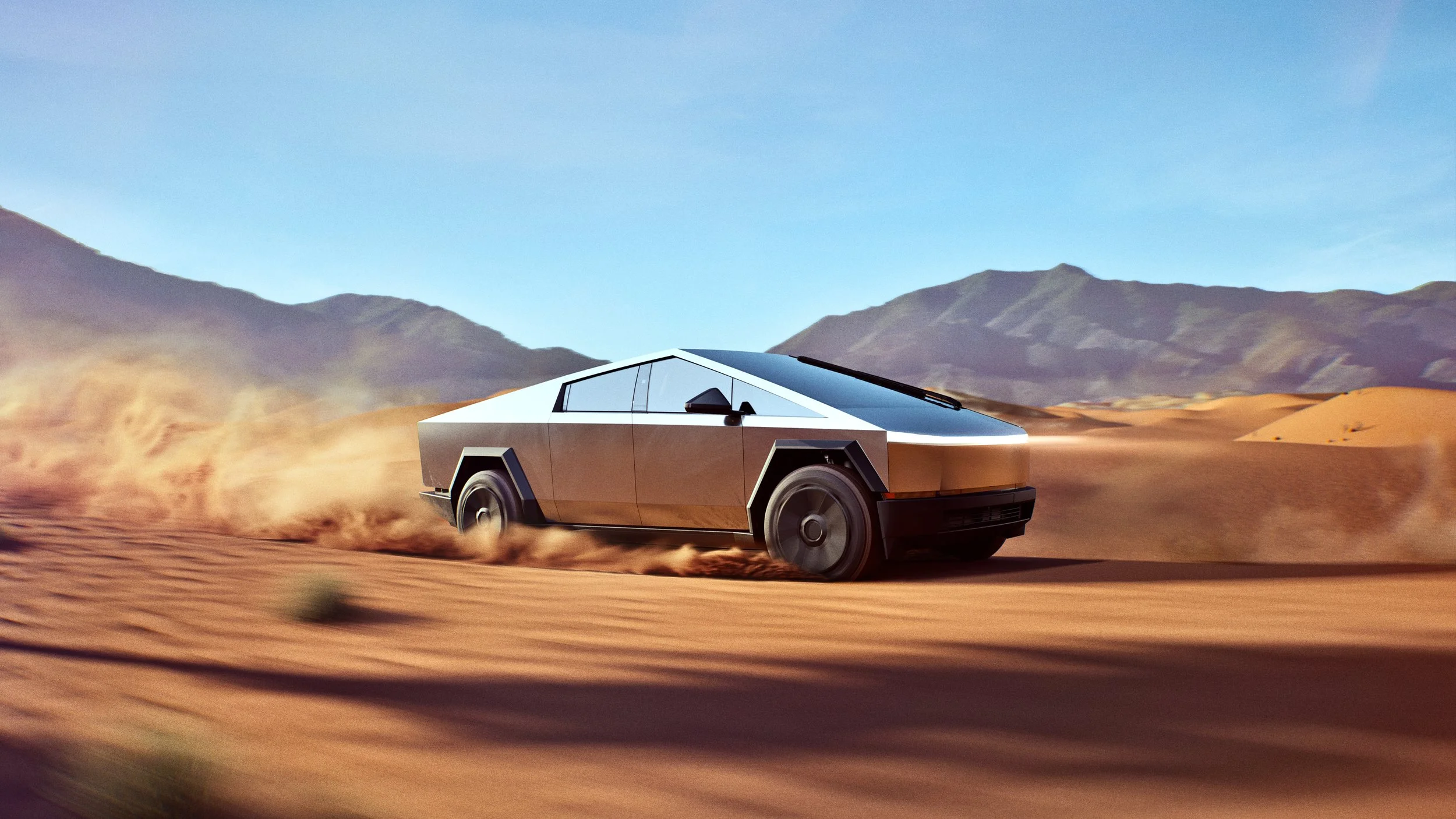
The Cybertruck was first unveiled to shock and awe in November 2019 with a polarizing design and boasting some insane specs and low prices, such as being bulletproof, including reinforced glass which rather embarrassingly smashed on both demonstrations. However, in true Tesla style, they took it on the chin, laughed it off and even sold merchandise with smashed window images.
Officially launching four years later in November 2023, many lamented at its delay despite it being well-known that COVID - and the subsequent supply chain issues - were the cause, but a few were disappointed with its specs noticing key differences from the 2019 unveiling event to the 2023 launch, such as range and pricing.
Challenges
Initially, the experimental Cybertruck suffered with a few teething problems and quality issues that Tesla worked quickly to resolve, and although sales volumes were very good for an electric pickup truck with the Cybertruck leading that EV segment, they were a fraction of the number of petrol and diesel trucks that were sold in the U.S. Simply put, the U.S. market wasn’t ready for electric pickup trucks.
With its cold-rolled steel exoskeleton, the sharp folds and edges were also problematic to pass European legislation for pedestrian safety standards, even though it majored on crash prevention technology and received top marks in crash tests. There was no getting around that its core structure, and subsequently its shape, harmed a potential global roll-out.
And with the company’s founder and CEO taking up a role in the new Government in January 2025, huge backlash followed that created a target for Tesla stores and customers cars with the new Cybertruck becoming the pinnacle of resentment for some. Undoubtedly this harmed sales to some extent, whilst it empowered others to buy one, but its initial sales numbers declined in year 2 and 3 leading to a painful decision to sunset Tesla’s most technically advanced car.
Technology
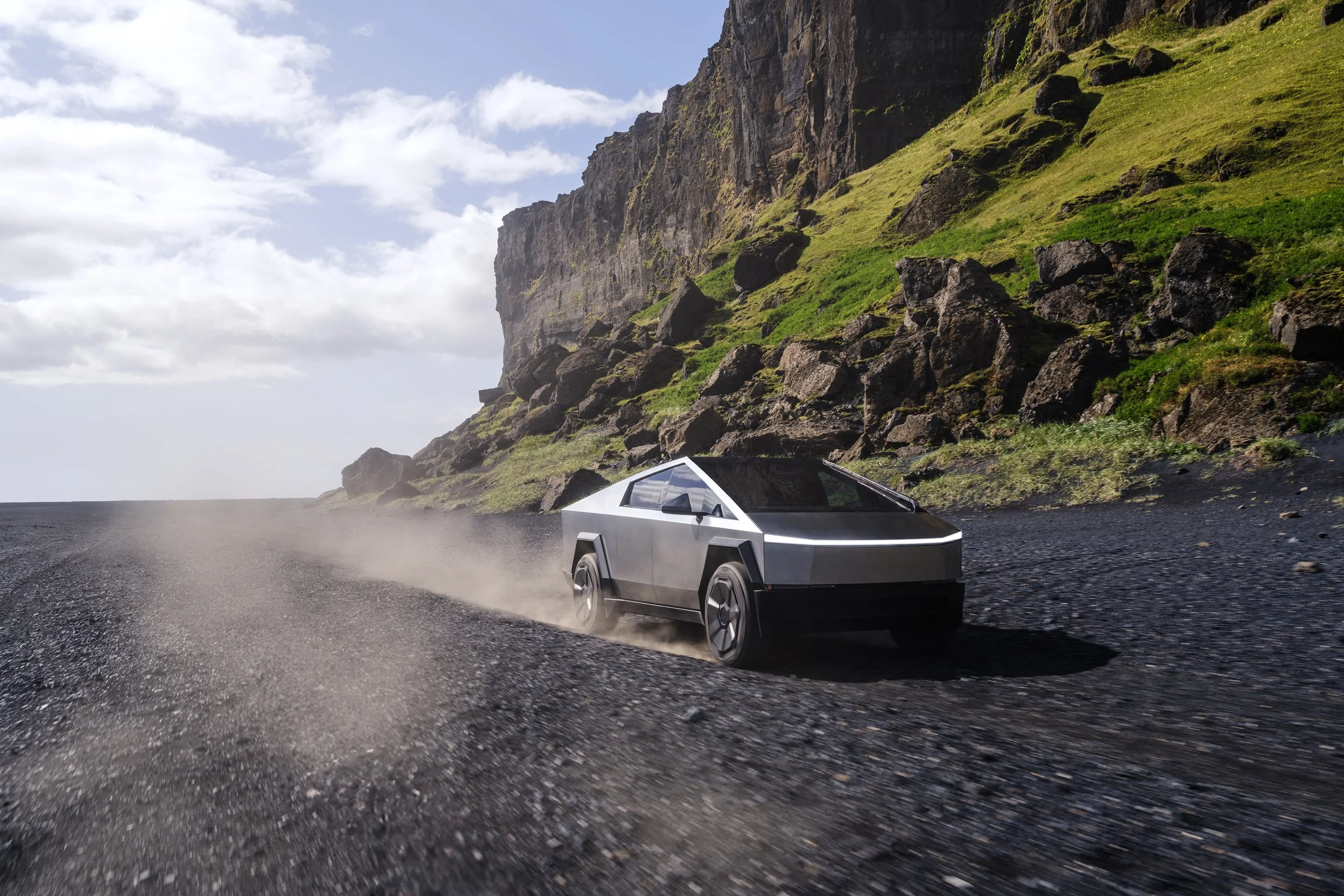
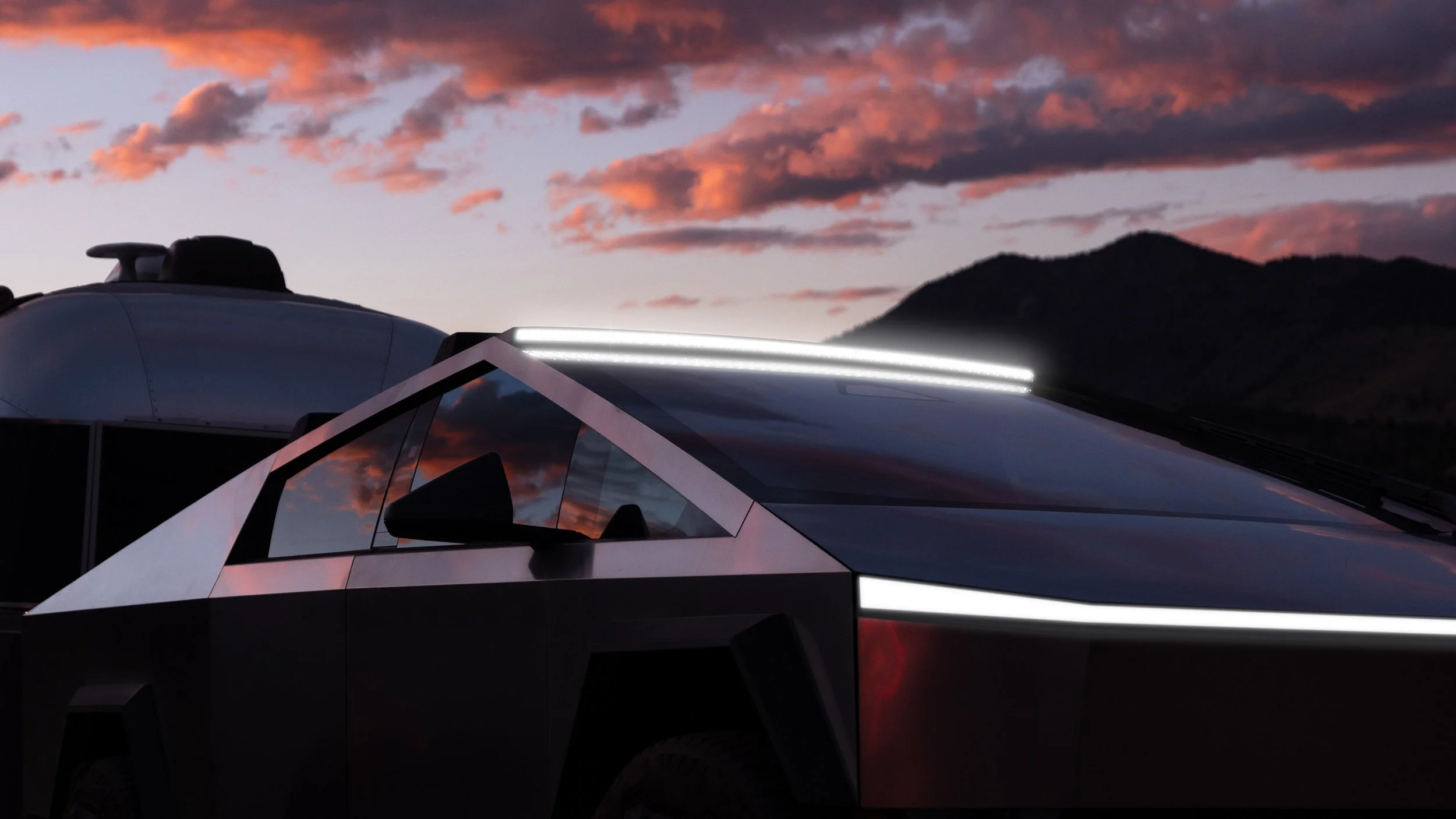
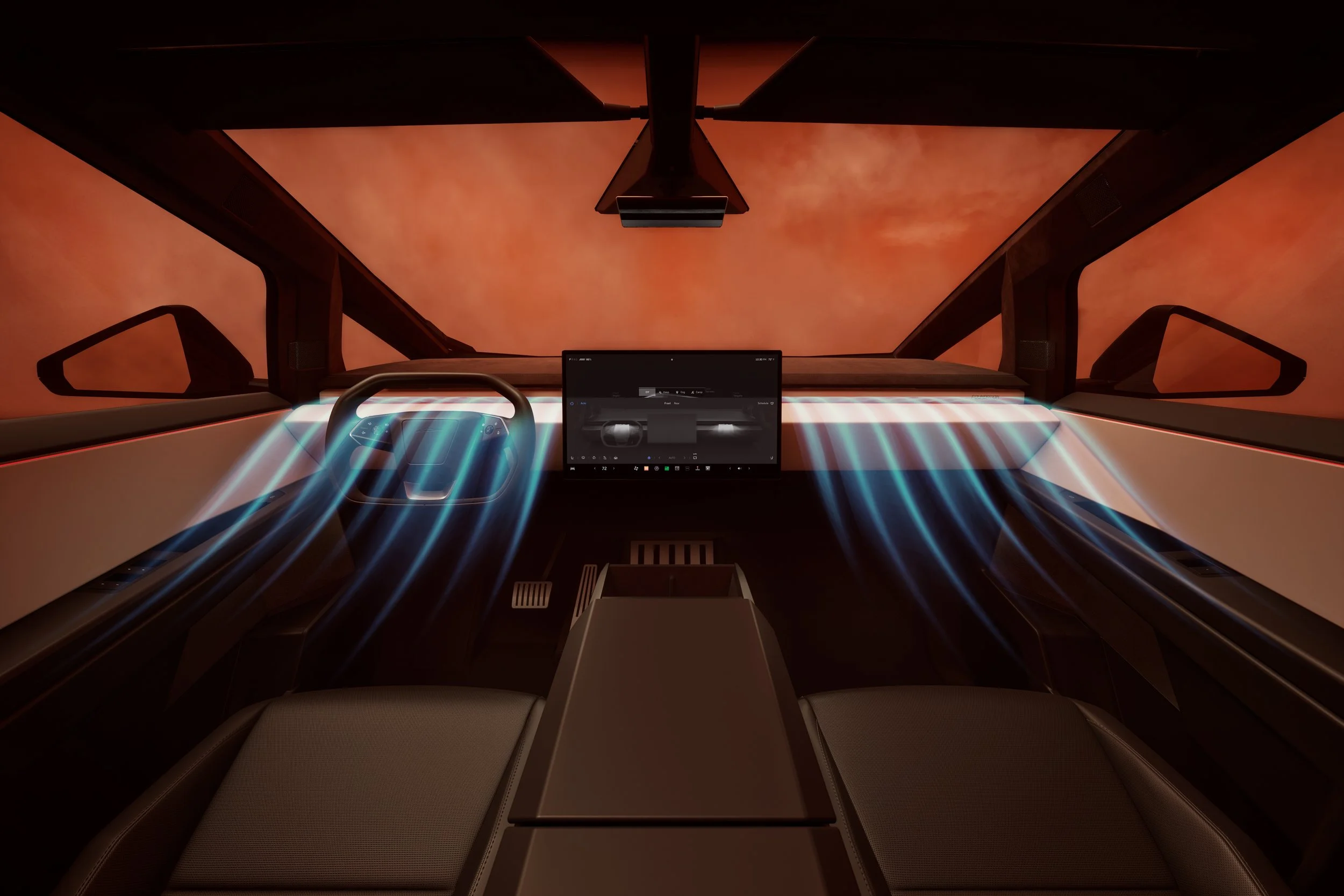
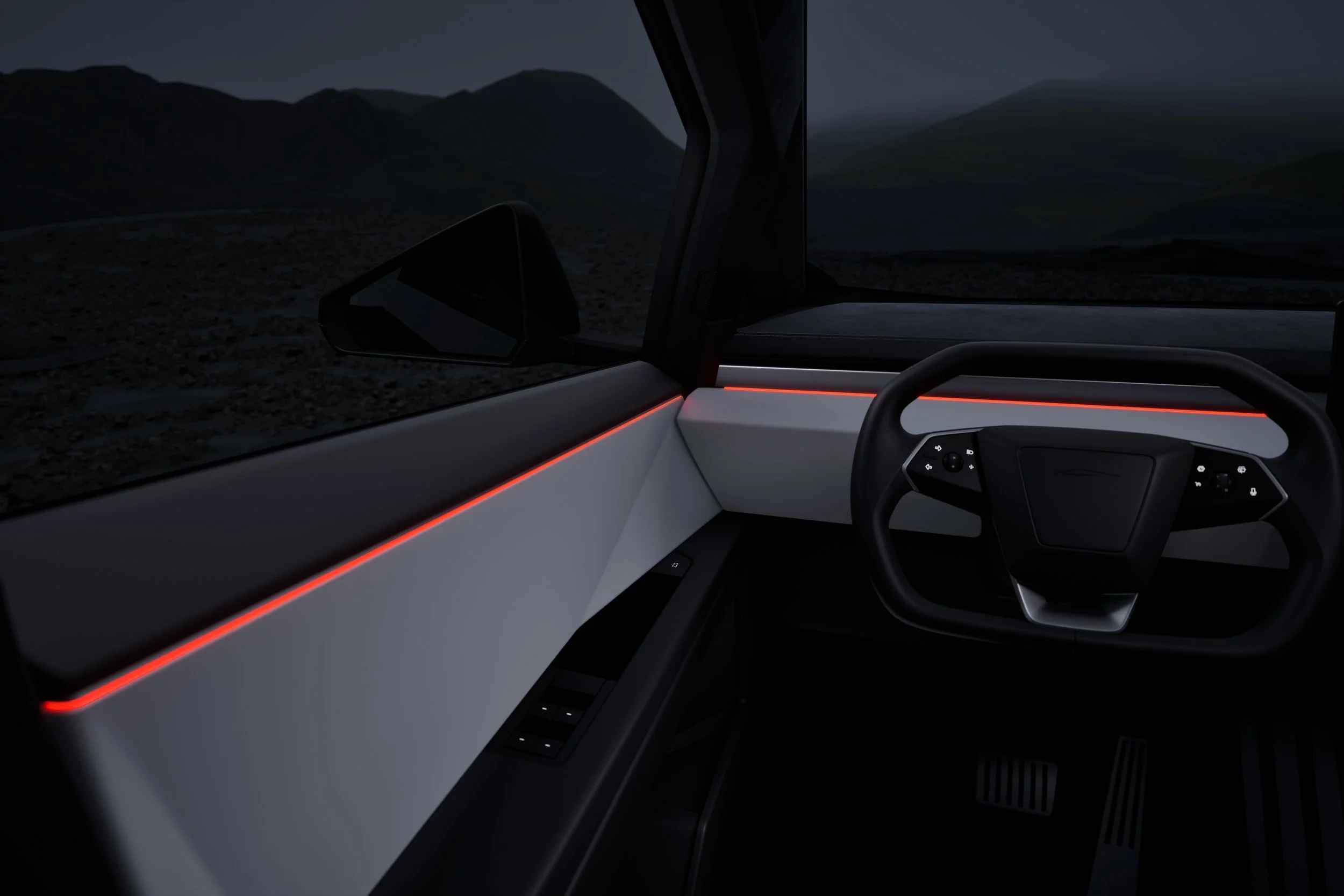
The Cybertruck pushed many technological boundaries, not just with its exoskeleton made from cold rolled steel, but the fly-by-wire four-wheel steering, a bullet proofed body and glass, single-piece giga castings to make the front and rear subframes, 48v low-voltage architecture, and the Etherloop - a gigbit Ethernet-based in-car network that replaces a traditional wiring harness and modules, reducing wiring by up to 70%.
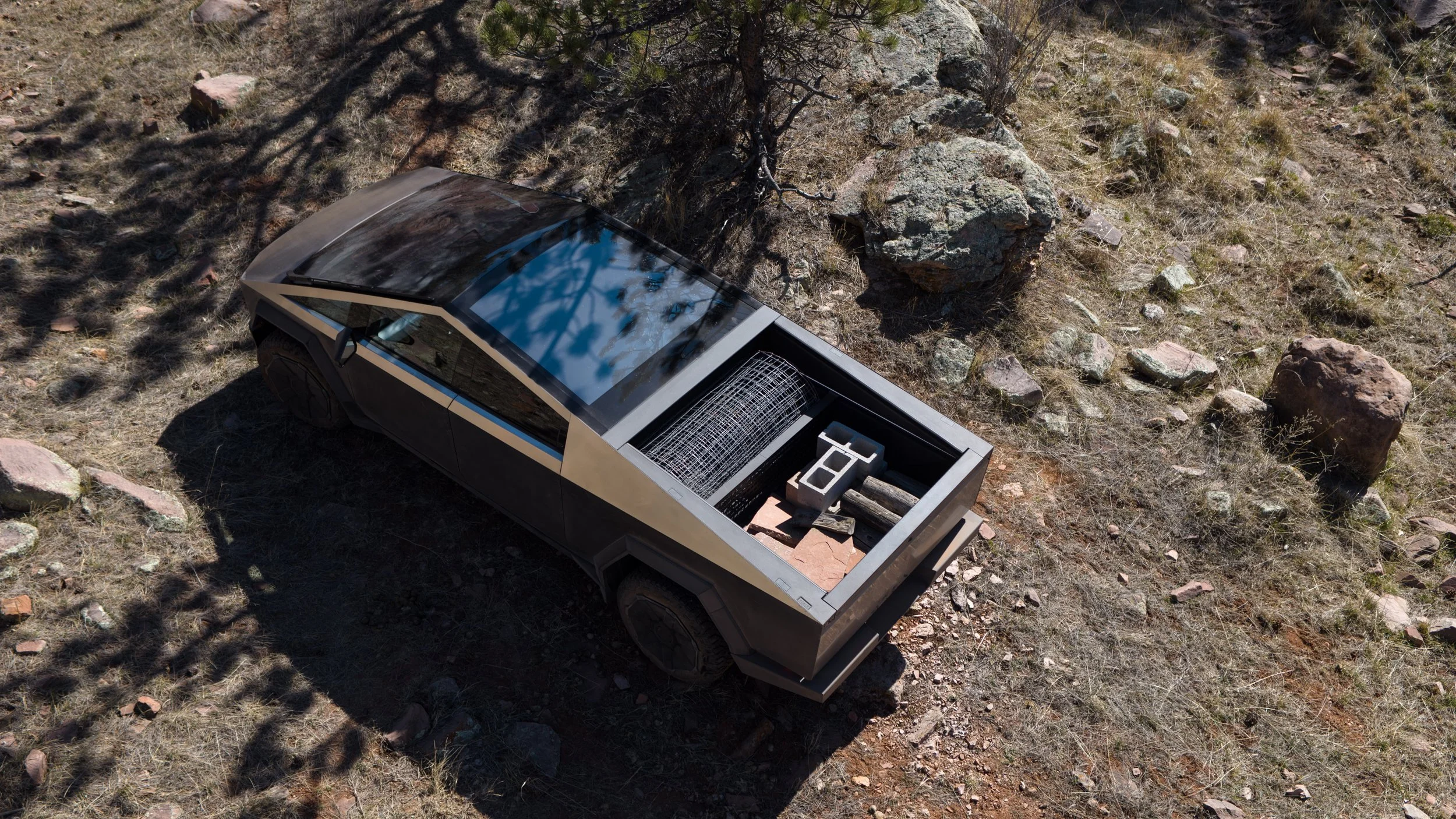
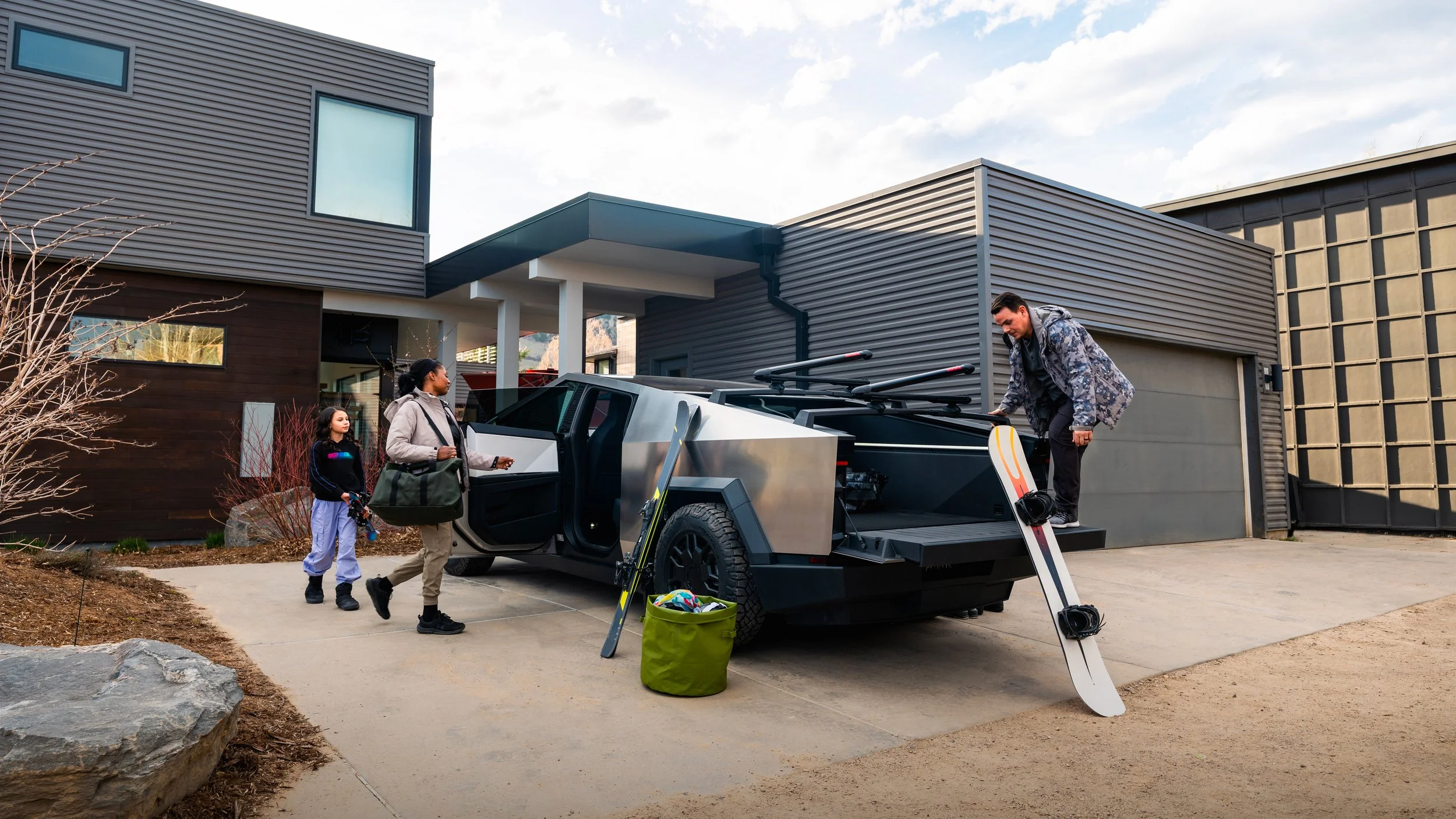
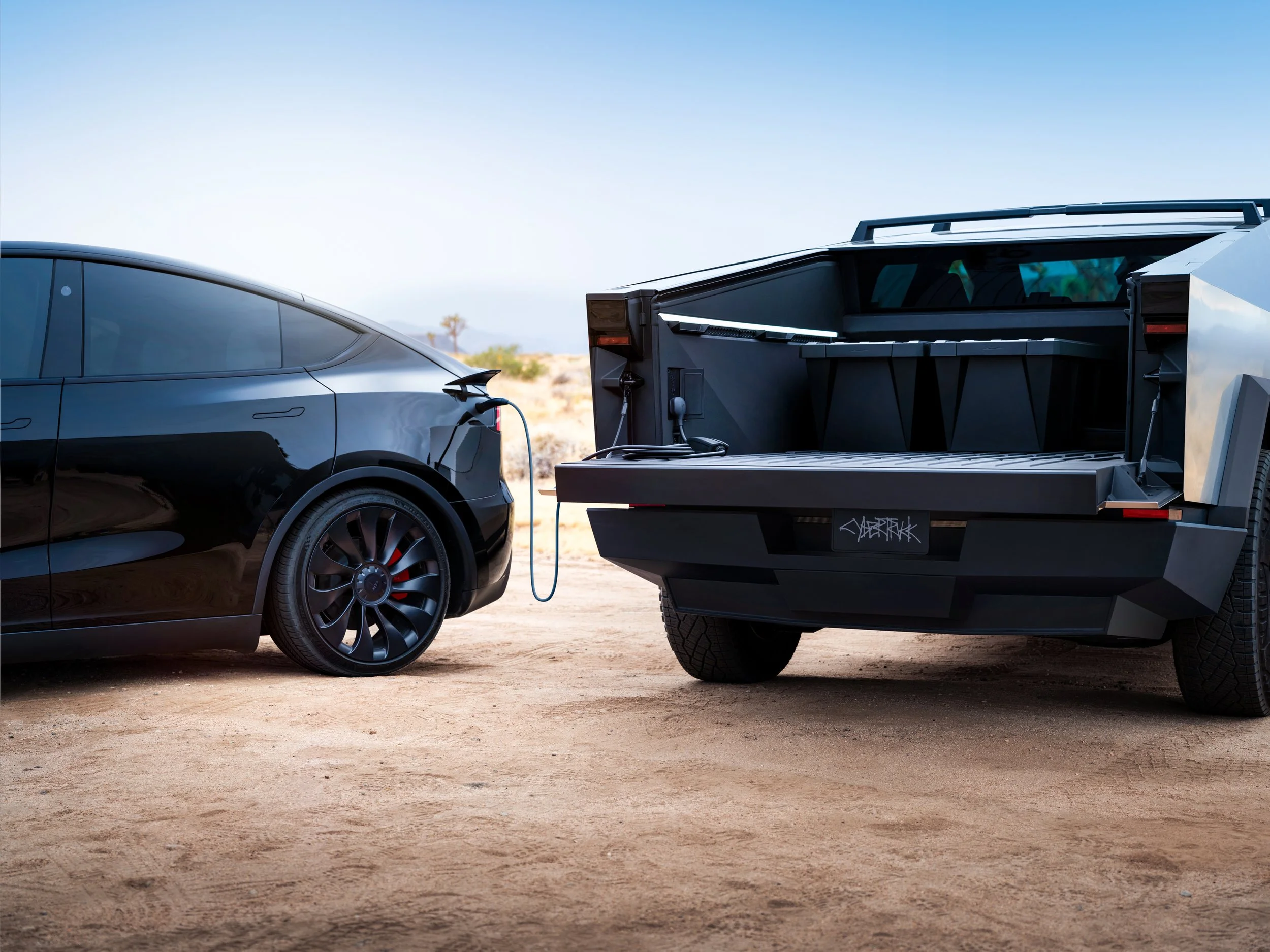
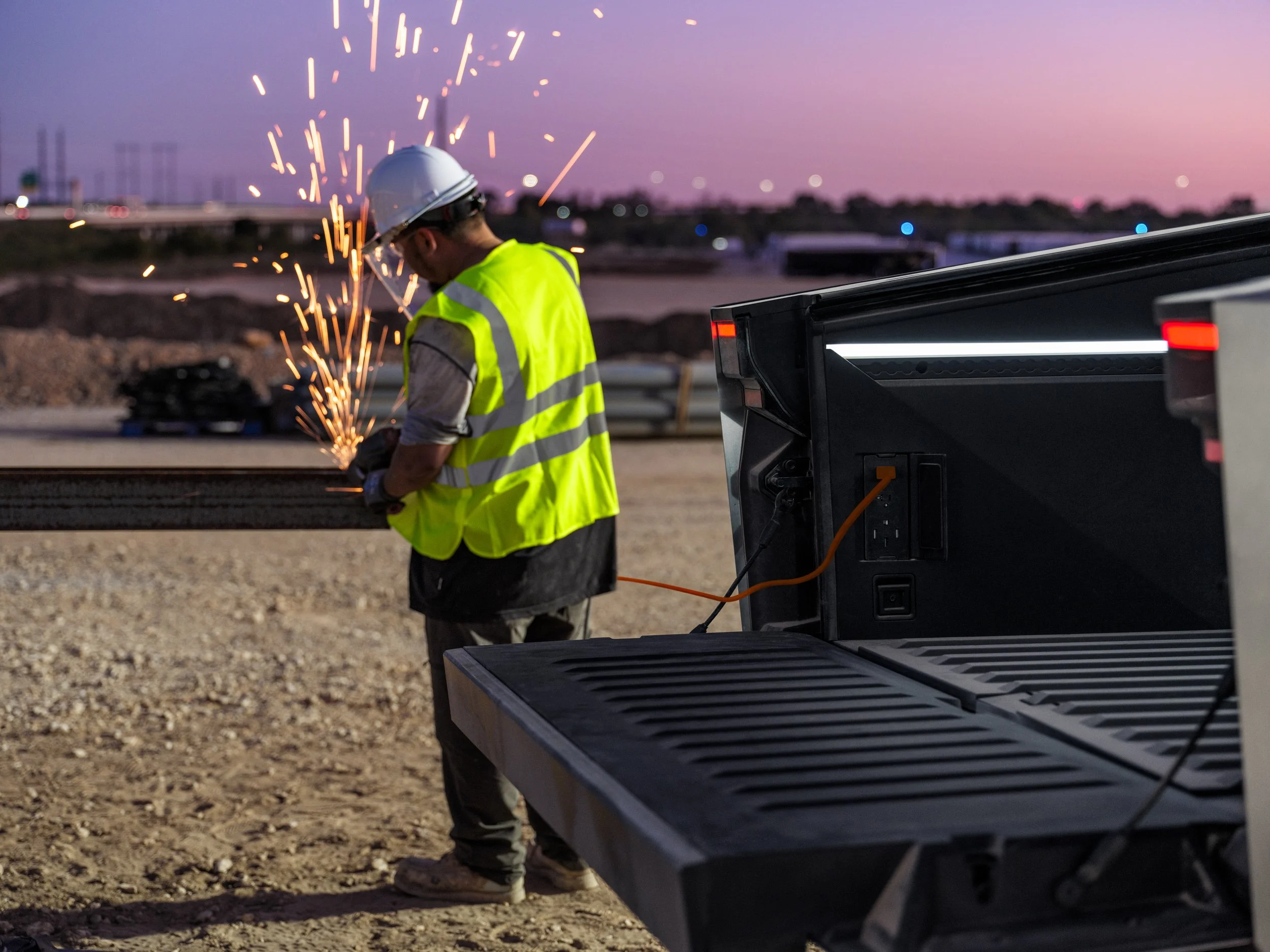
It also featured adaptive air suspension, bi-directional V2H charging providing up to 11.5 kW of power output to the home as well as having multiple power outlets for power tools. And let’s not forget Tesla’s core feature; FSD - its self-driving software.
Missed Targets
With a range of up to 335 miles in top-spec trim - which seems like a very agreeable number in the U.K. - the vast distances travelled in the U.S. (with many likely to tow) the range did not convince enough buyers, especially as Tesla promised a version that could provide up to 500 miles of range with the tri-motor model. Unfortunately, this range option never materialised, but if it was to continue on sale it could have achieved that at some point in the future.
With a limited overseas sales potential and a declining customer base for the polorzing pickup, Tesla has announced the end of the road for the Cybertruck by the summer of 2027. Many will mourn its loss, especially following the cancellation of the Model S and Model X earlier in the year. It leaves Tesla will just the Model 3, Model Y and Semi (HGV) as the only drivable vehicles on sale, with the new Roadster due in 2028.
Autonomous Future
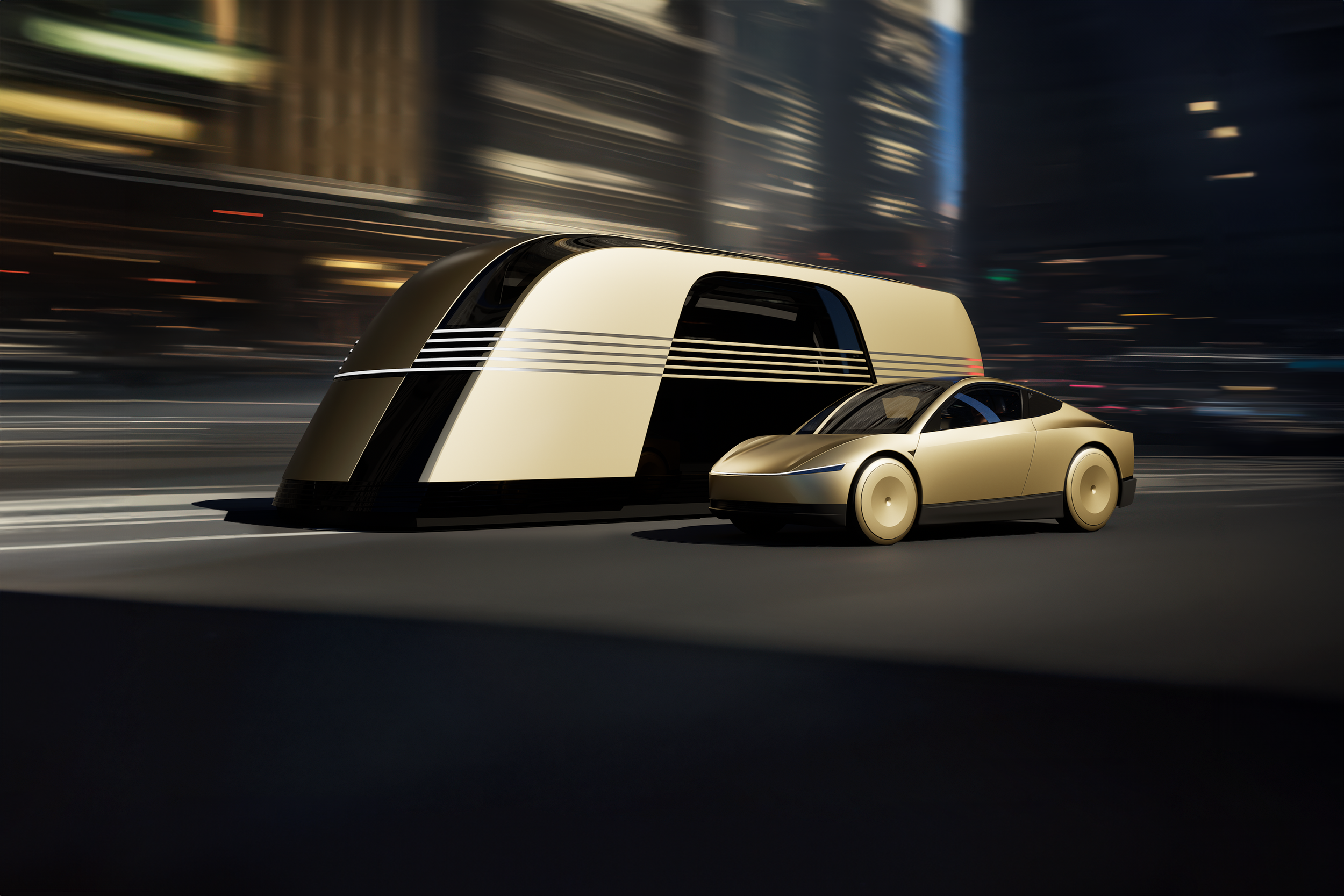
Tesla sees the future in autonomous electric vehicles and software as a service, and it’s prioritising the Cybercab production in Austin at their Giga Texas manufacturing plant. With dwindling sales, Cybertruck will make way for more production capacity of Tesla’s Waymo competitor, the Cybercab.
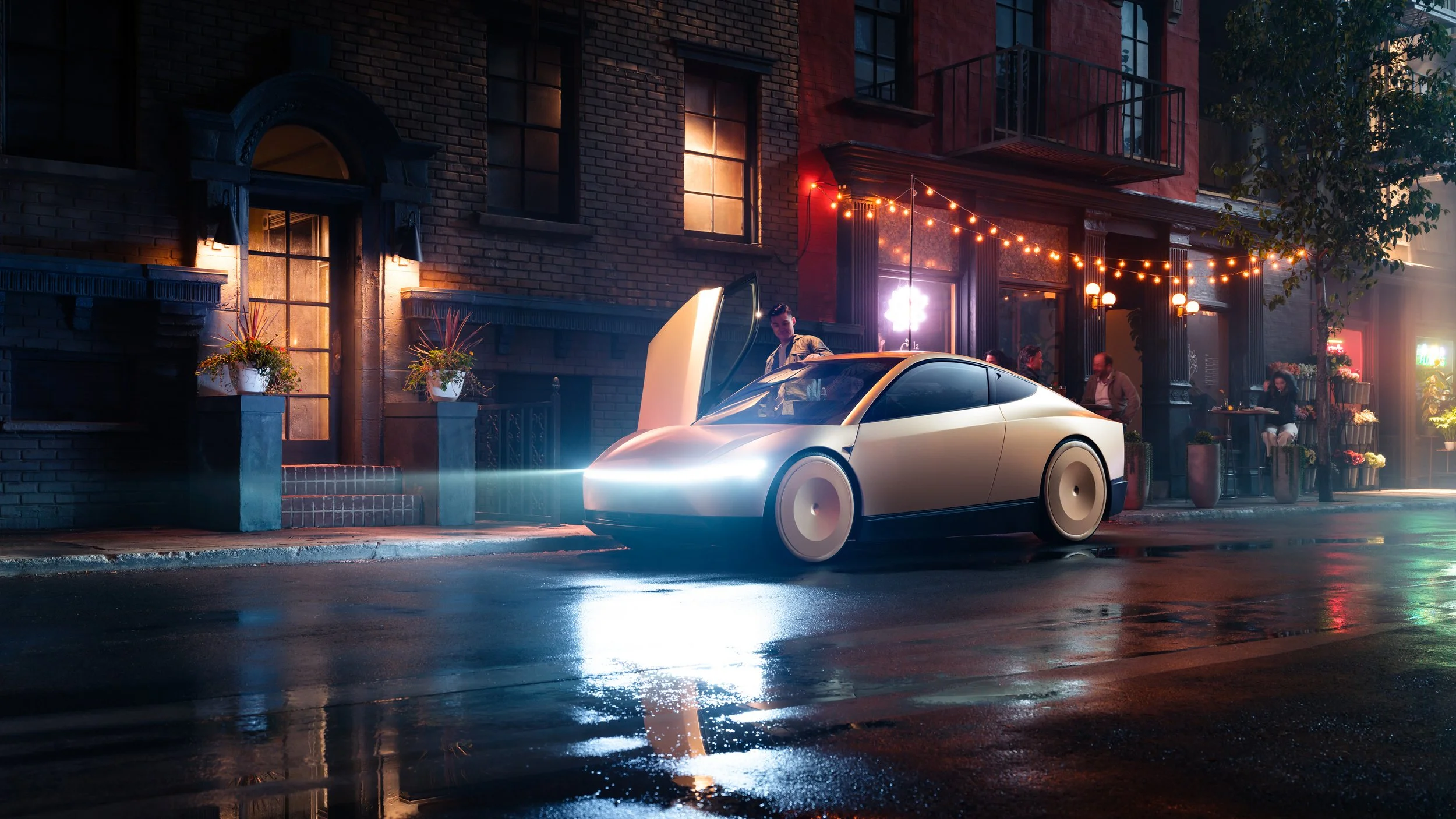
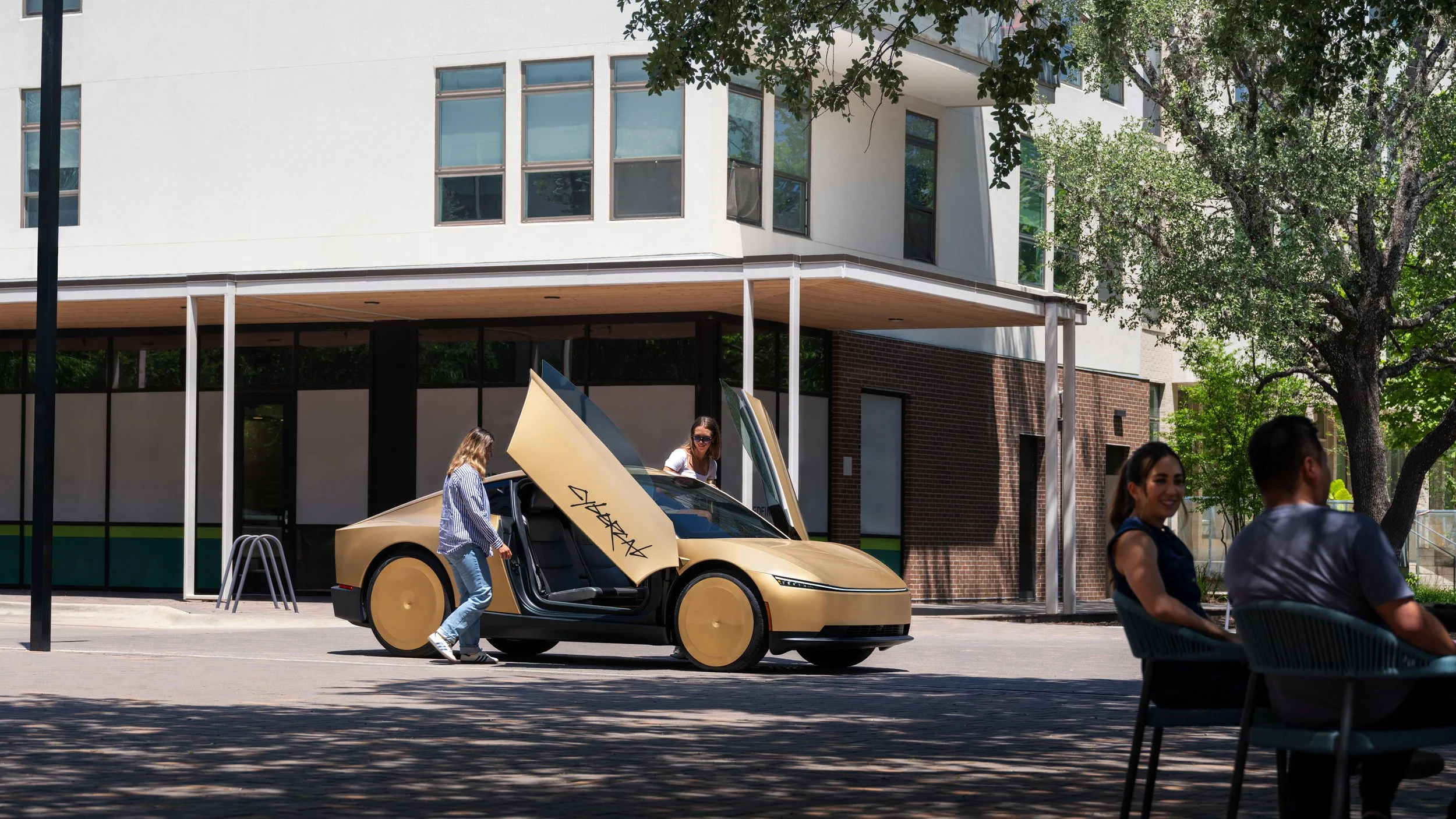
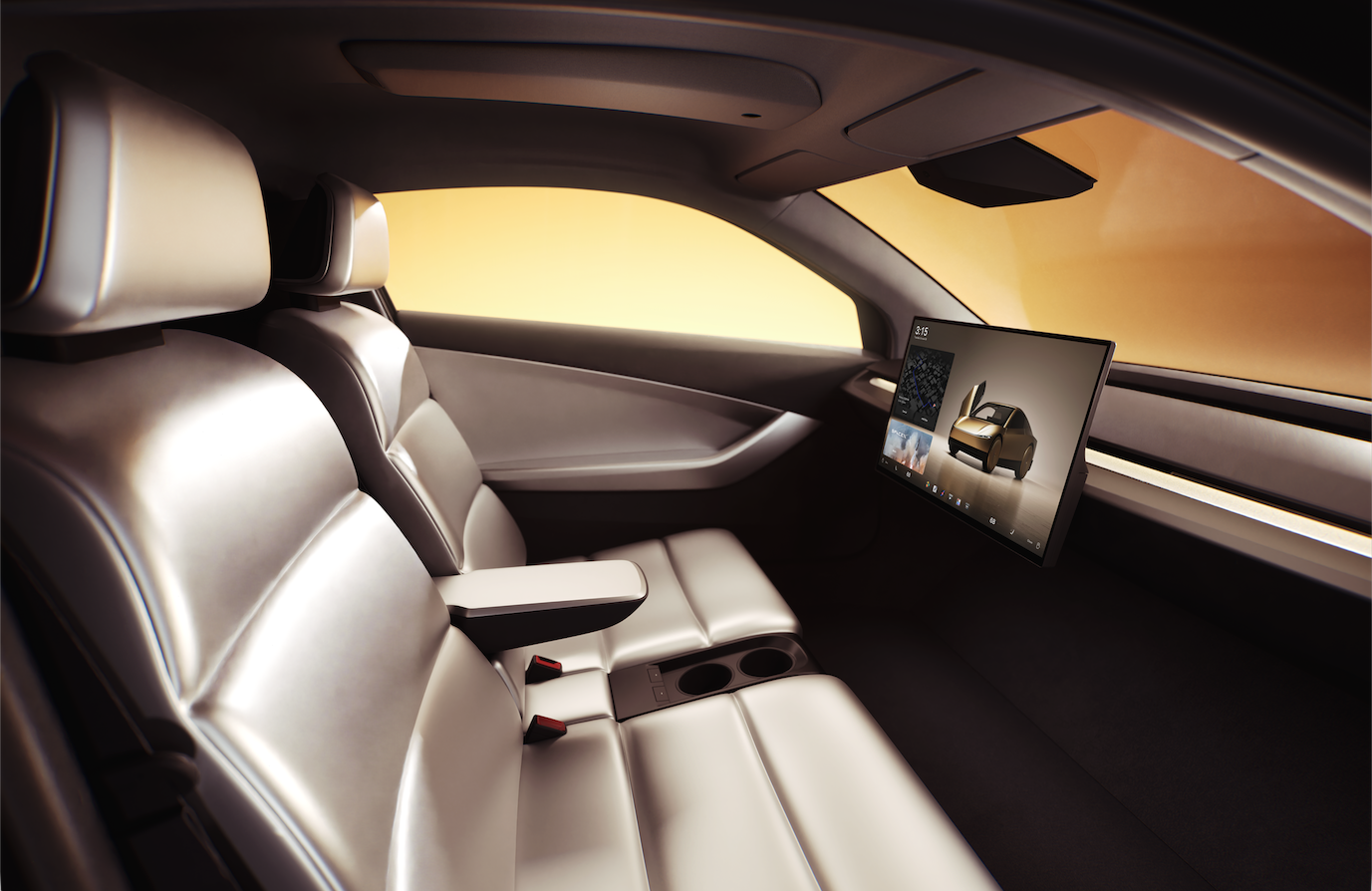
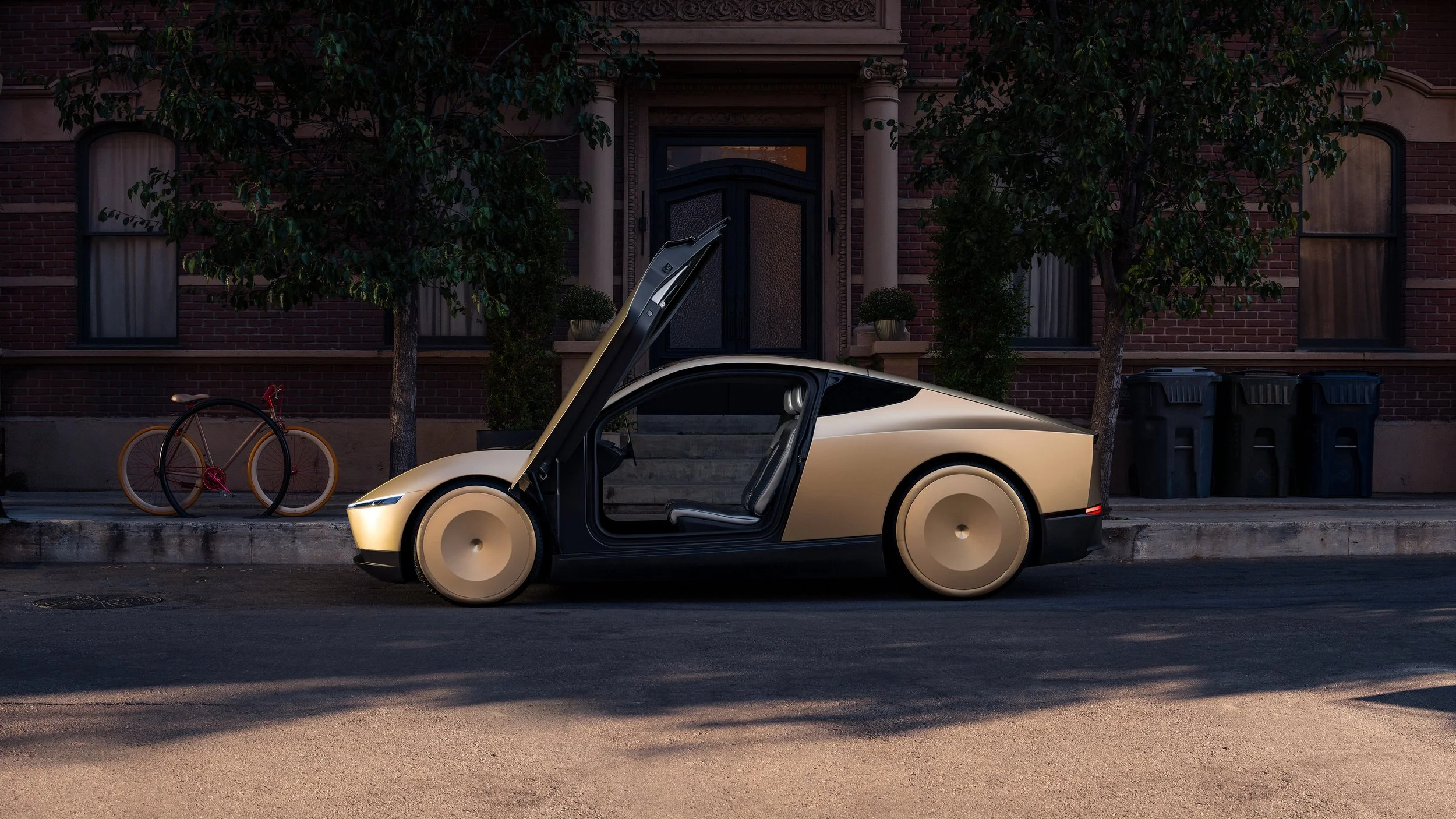
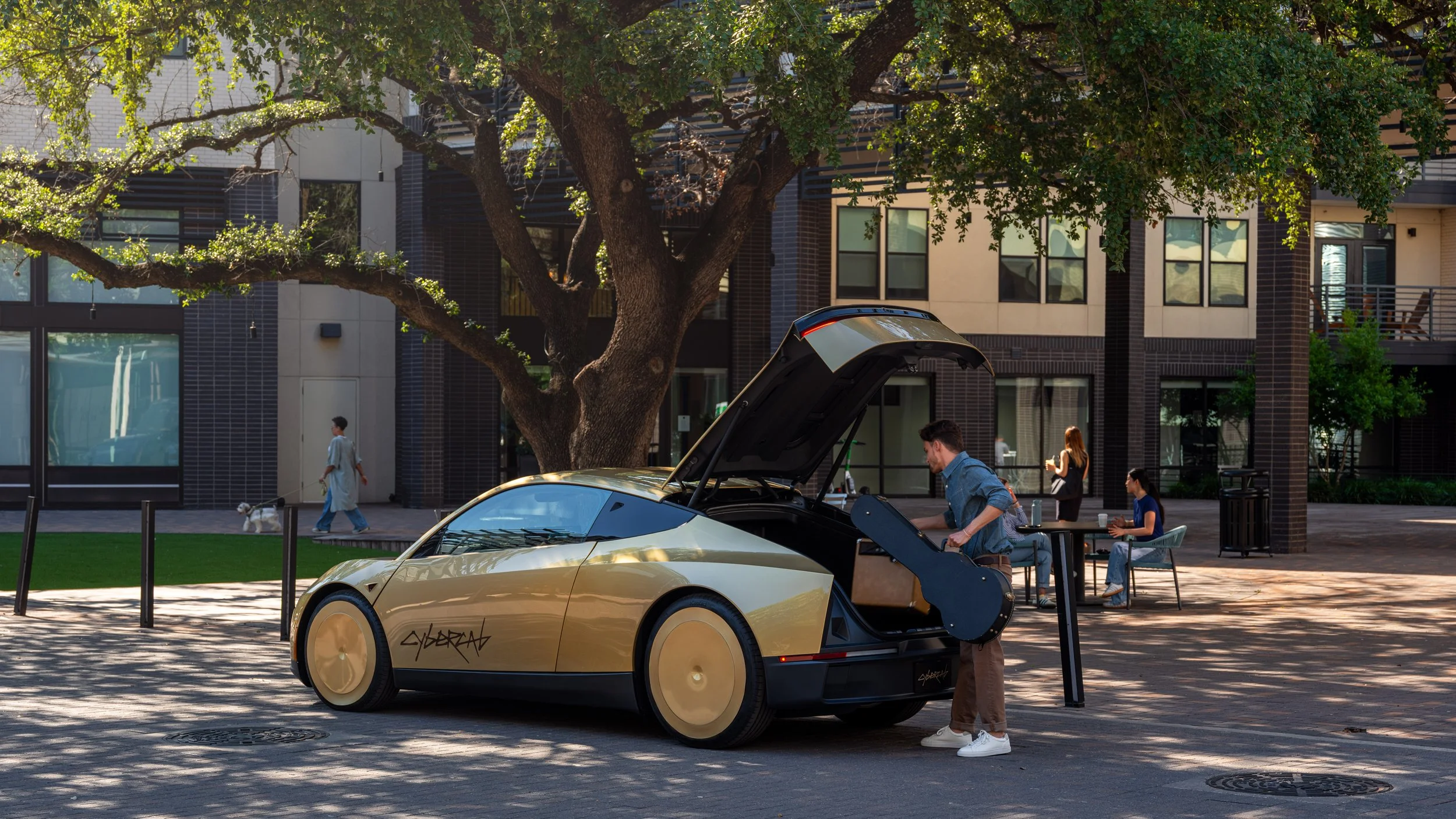
The Cybercab was designed from the ground up as a fully autonomous Level 4 and Level 5 car with no steering wheels, no pedals and no mirrors and there will never be a drivable version of their stunning looking cab, either.
Currently the Cybercab operates in 6 cities in the U.S.with thousands on the roads ferrying around customers who hail the cab via the dedicated Robotaxi app. But where Tesla has a unique selling point is that it owns all the hardware, and software, plus the charging network, giving it a cost advantage over its competitors.
However, it doesn’t end there as Tesla has developed a new manufacturing process for the Cybercab that significantly cuts the build speed and footprint needed for manufacturing. Tesla calls this process unboxed manufacturing. In short, Tesla aims to have a Cybercab rolling off the production line every 5 seconds and it’s functioning too quickly already with Tesla shutting down production multiple times so not to produce too many vehicles.
The unboxed process replaces the traditional production line, and the only way to describe it is that the car - during its construction - is split into modules that are built in parallel and then all assembled at the end.
Key technologies from the Cybertruck have been carried over to the Cybercab like the 48v low voltage architecture and drive-by-wire steering and brake-by-wire brakes. And like the Cybertruck, the Cybercab doesn’t receive a paint finish, albeit the difference is that all exterior panels are plastic colour-moulded panels. This cuts out an entire process, saving on space and cost, and its no less safe for it. It means Tesla can easily replace panels at low cost if damaged, and without a paintshop, a significant process and expense has been spared.

Future Plans
Tesla’s plan is to roll the Cybercab out globally in the years ahead where the regulatory framework allows it. This is a big gamble from a company that gave the world a glimpse of the future when it launched its Model S back in 2012. It instigated the market to transition to EVs, with many coveting their cars over the years. For many fans, the loss of beloved models in Tesla’s line up is hard to bare, but the hope is that Tesla will keep innovating its Model 3 and Model Y in the years ahead.
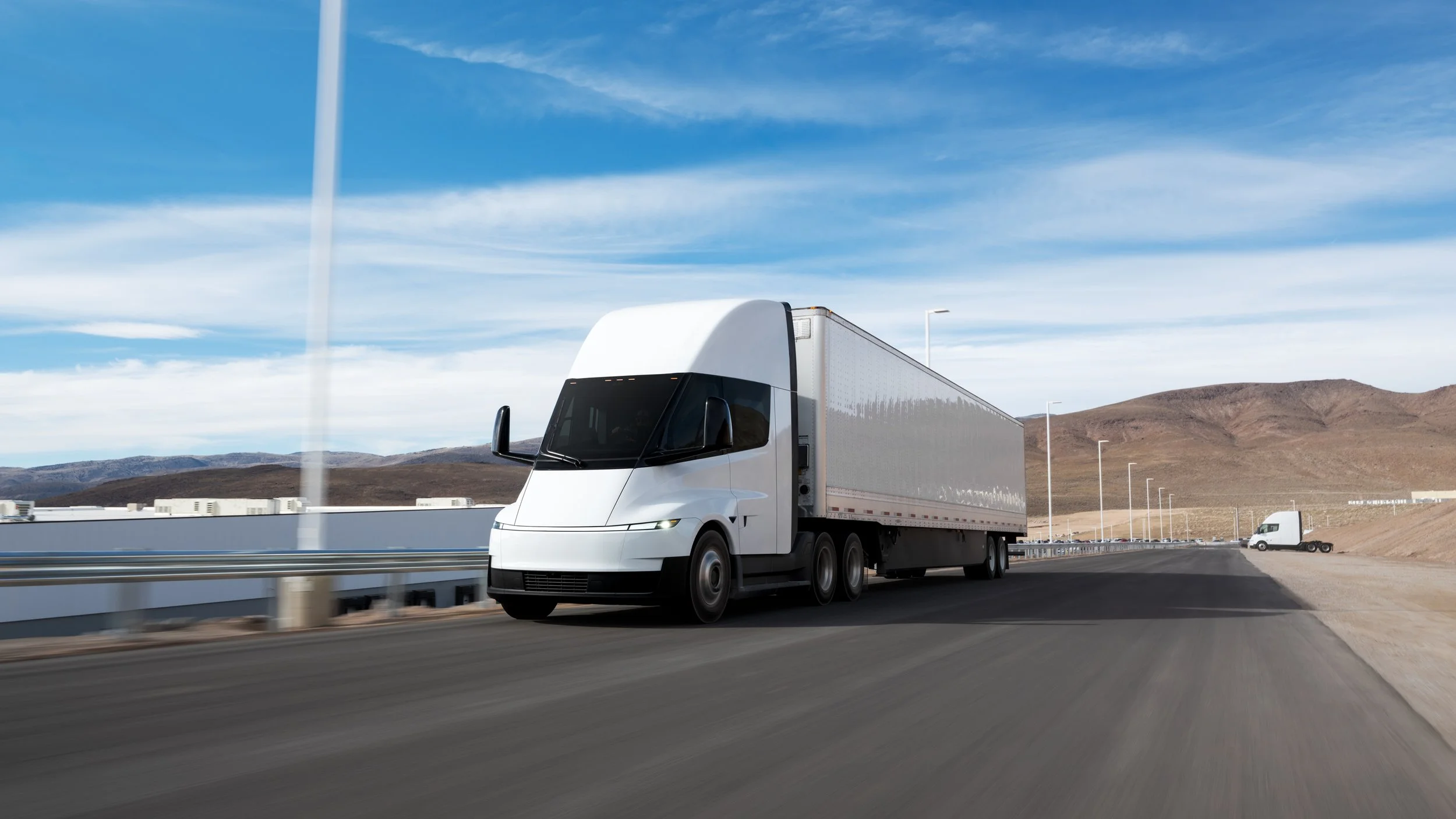
Tesla is also focused on the HGV market having built a plant in Nevada where they manufacture the Semi truck and its batteries. This will be Tesla’s latest vehicle to roll out to global markets, which it can do with ease thanks to the centrally mounted driving position, making it perfect for both left-hand drive and right-hand drive markets with little conversion necessary.
Boasting 500 miles of fully laden real-world range, and its own megawatt charging network, Tesla is offering a path for hauliers to significantly reduce running costs at a time when diesel is at record highs.
———
About the Author
Graeme Cobb is a lifelong car enthusiast with a passion for writing about cars, EVs, industry updates and more.
You can find Graeme on 𝕏 at @graeme_cobb