
Gone are the ID numbers as VW finally gives us an electric Polo, the first in the model’s 51-year history - but is it worthy of that prestigious name?
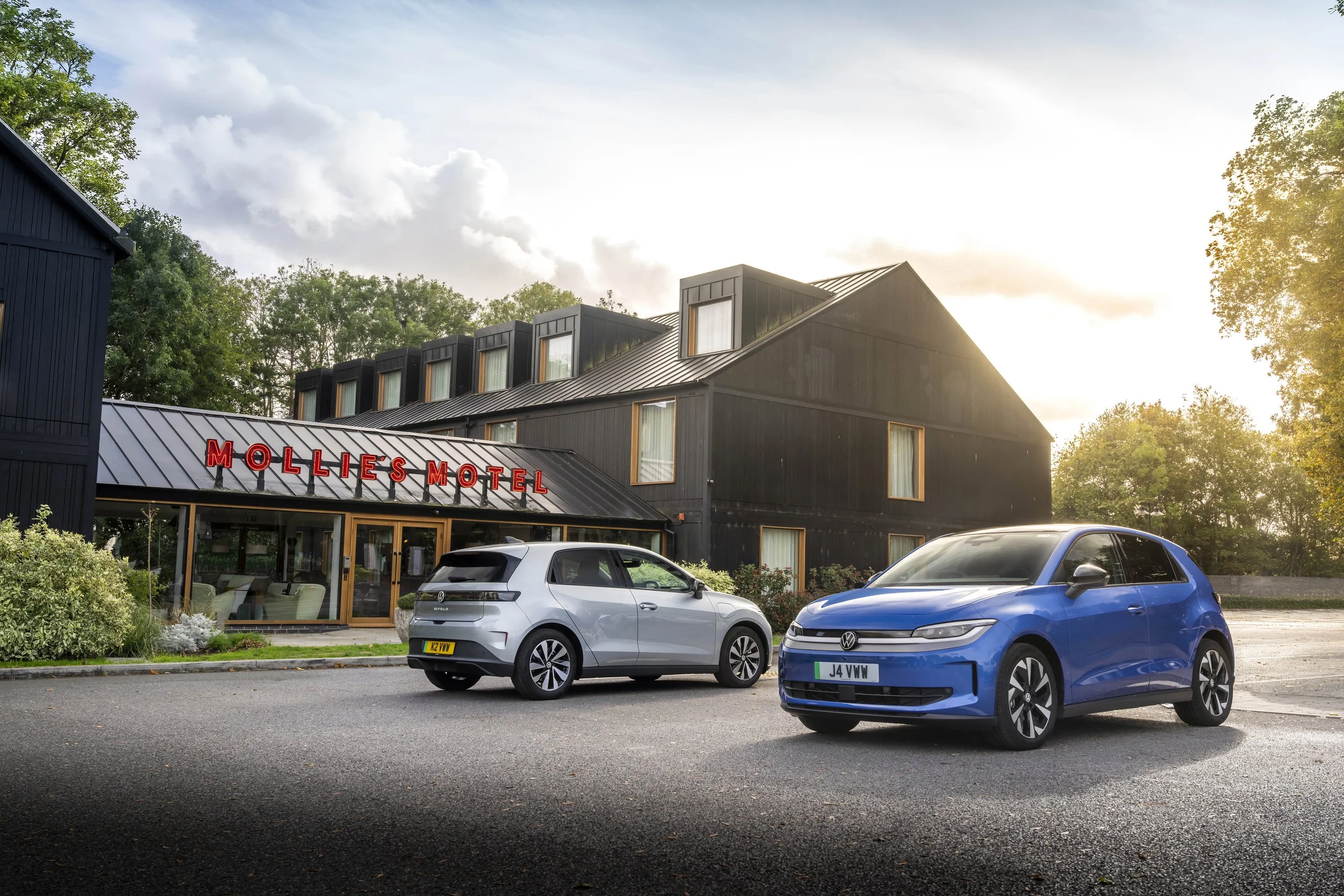
It’s certainly not lacking for space and seems to be priced attractively. The new Volkswagen ID. Polo is 20mm shorter than the petrol Polo, yet has a bigger boot than a petrol Golf. The rear space is properly useable for adults, too, and the starting price falls to £22,445 once the Electric Car Grant is applied. For anyone who has been waiting for an electric car that could sensibly replace a small family hatchback, those kinds of numbers are certainly worthy of attention.
Pricing and equipment
The starting price for the ID.Polo certainly seems competitive, and very much in line with the petrol version of the Polo; a good statement of intent from the German giants, as are some of the changes to their interiors and equipment levels.
The entry-level Life costs £23,945 before the grant, pairing a 37kWh battery with a 116PS motor. A more powerful 135PS version is £25,055, while the 52kWh Life, with 211PS, costs £28,330. Those last two figures are also before any grant deduction.
Life is well equipped. It comes with 17-inch alloy wheels, climate control, a 12.9-inch touchscreen, wireless smartphone connectivity and wireless charging. Front and rear parking sensors and a reversing camera are included, as are two USB-C sockets for each row of seats.
Style starts at £28,470 for the 37kWh, 135PS version, rising to £31,745 with the larger battery. Its extras include heated front seats and steering wheel, dual-zone climate control, matrix LED headlights, 18-inch alloys and sports comfort seats. There is also navigation and ambient lighting.
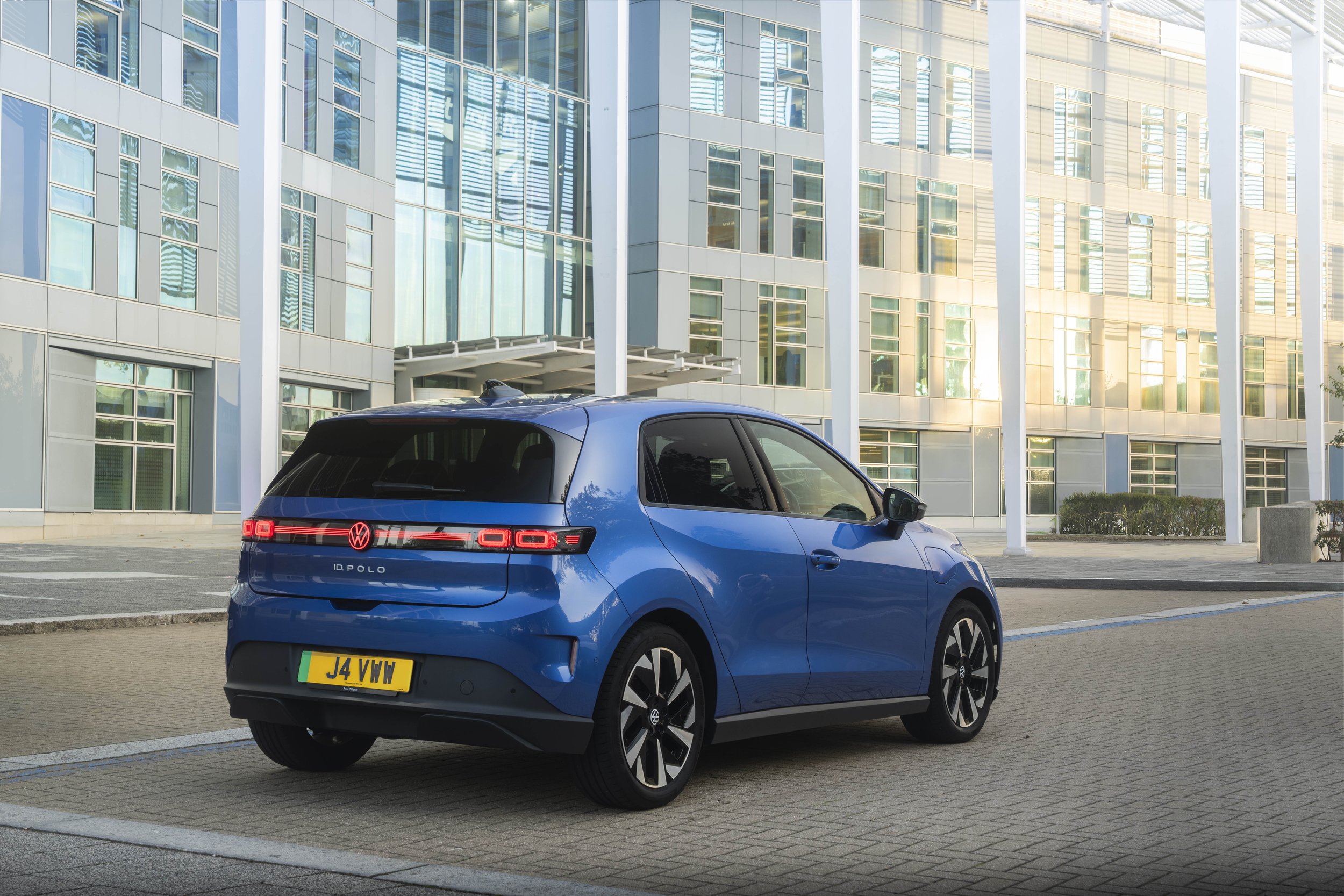
The comparison worth making is between the 52kWh Life and 37kWh Style. The larger-battery car is £140 cheaper. If the Polo will be your household’s only car, I would be inclined to take the extra range ahead of the additional equipment.
Two limited-run launch editions add further kit. Life Launch Edition starts at £25,555 and includes heated front seats and steering wheel, navigation, dual-zone climate control and privacy glass. Style Launch Edition is £32,995, adding a panoramic roof, electrically adjustable front seats with massage, a surround-view camera and further parking and driving assistance, among other equipment.
A heat pump is a cost option across the range, and unlike with Kia, it’s not trim dependent - the heat pump can be added to any ID.Polo (for a price).
A 226PS GTI is also planned for next year, priced from £35,295, although that is a separate proposition from the car driven here.
Interior and practicality
The ID. Polo’s packaging is a total victory in my eyes. Despite being 2cm shorter than the petrol model, its longer wheelbase helps create a cabin that feels closer to a Golf’s for passenger space. The difference it makes having those wheels pushed more into the corners is quite apparent, it really makes the cabin feel surprisingly spacious inside.
I’m just a little over 5ft 9in, I could sit behind my normal driving position with a good 6 inches (15cm) of knee room and plenty of headroom. Even the middle rear seat was usable. Its cushion is firmer and sits slightly higher, but the very small hump in the floor does little to obstruct your feet at all. Three adults look a more realistic proposition here than you might expect in a Polo, although a longer journey with a full car would be a better test.
Rear passengers get two USB-C sockets, but no air vents or seatback pockets - those emissions feel like a bit of old VW cost-cutting perhaps not having quite left the building just yet.
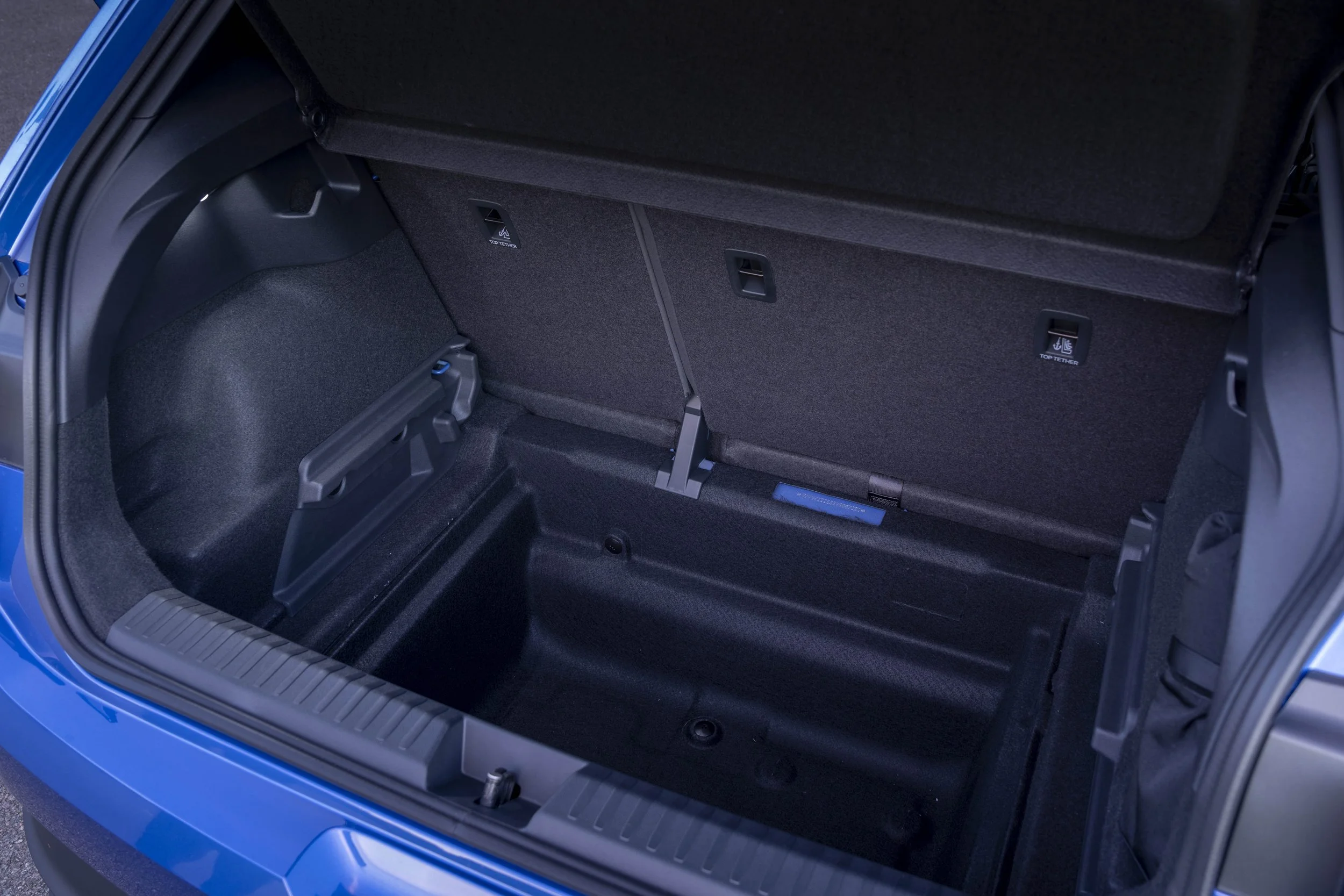
The boot holds 441 litres with the rear seats in place, increasing to 1,240 litres when folded. That is around 90 litres more than the petrol Polo and 60 litres more than a petrol Golf with the seats up. The cavernous underfloor compartment is useful, too: my large camera bag and tripod fitted into it with other equipment already aboard. The space would no doubt devour the average family shop without need for pause - impressive stuff.
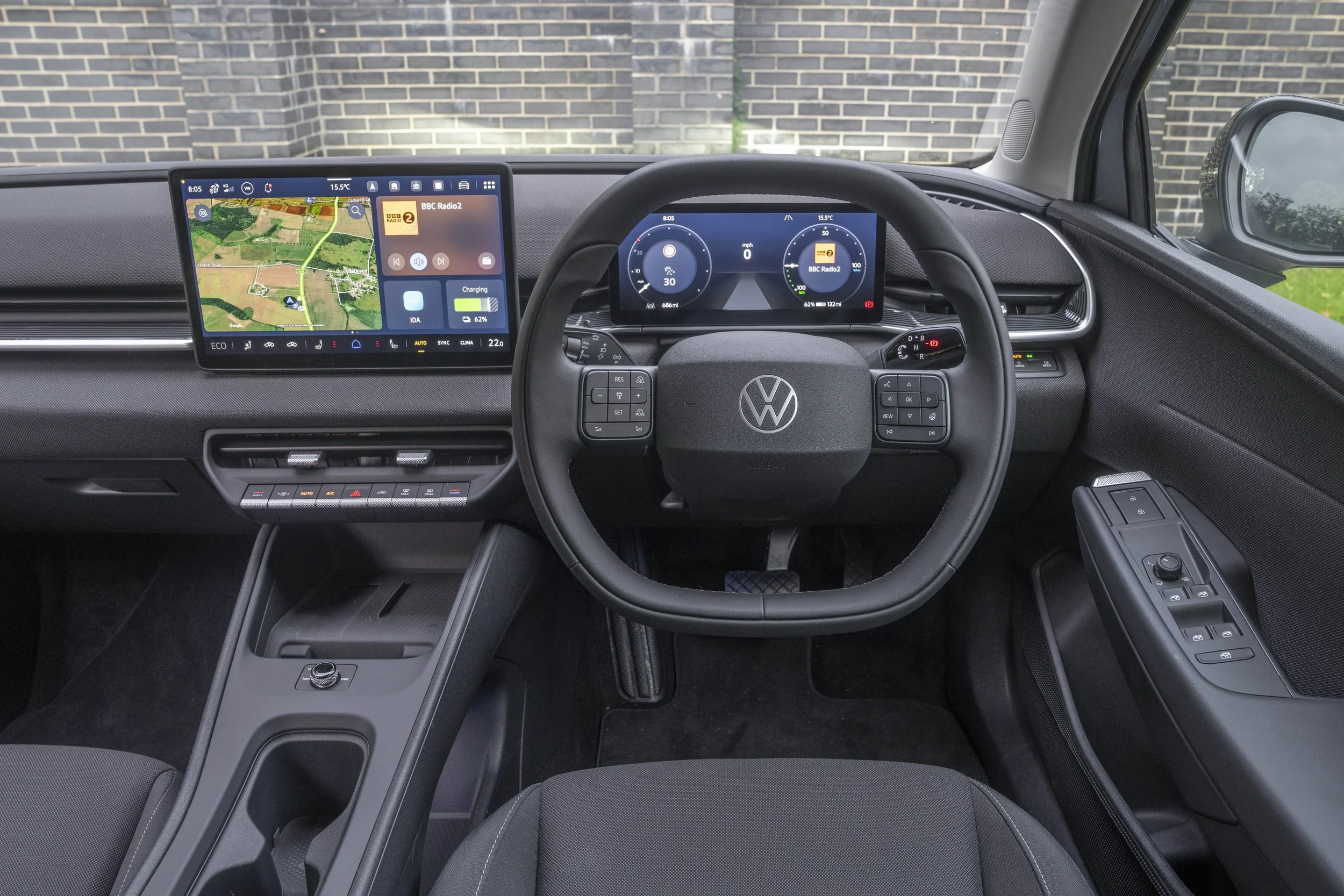
Up front, Volkswagen has made the controls much easier to live with. Temperature and fan settings have very tactile physical switches, and there is a proper volume knob that the passenger or driver can reach. The steering wheel also has conventional buttons. You can make an adjustment by touch without having to aim a finger at a smooth panel, which is particularly welcome when the road surface is poor.
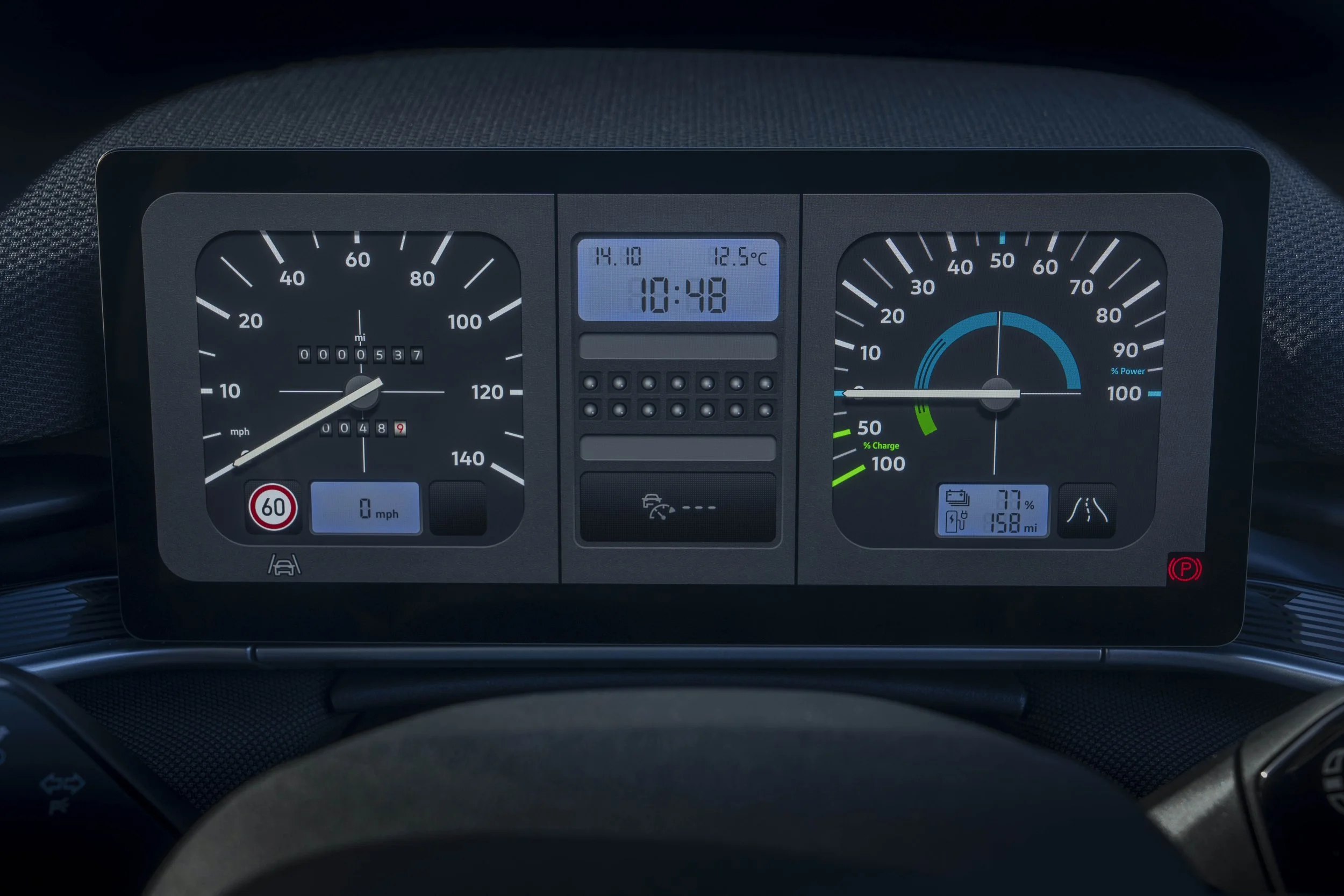
The screens themselves are very good too, with strong colours, deep blacks and clear graphics. Volkswagen’s retro display options imitate older instruments and audio equipment, including a cassette player when playing music from a connected phone. I expected to tire of the novelty fairly quickly, but found it rather charming. Conventional displays remain available if the nostalgia does nothing for you. The level of detail is adding, you can even make out the ghosting in the background of the faux-LCD displays - it’s a total triumph that could have so easily been naff.
Fabric across the dashboard softens the appearance, while the harder plastics elsewhere feel sturdy. The overall impression is of a cabin that should cope well with everyday use. The comfortable cloth seats offer plenty of adjustment, and the driving position feels natural despite a slightly high floor.
There is one small but annoying oversight. The ventilated wireless charging tray would not accommodate my large iPhone, even with its case removed. A feature that is standard on every version really ought to cope with a sizeable handset.
Batteries and charging
Both battery capacities are usable figures. The 37kWh pack uses lithium iron phosphate chemistry and has an official WLTP range of 200 miles with the 116PS motor, or up to 206 miles with 135PS. The respective 0–62mph times are 10.6 and 9.5 seconds.
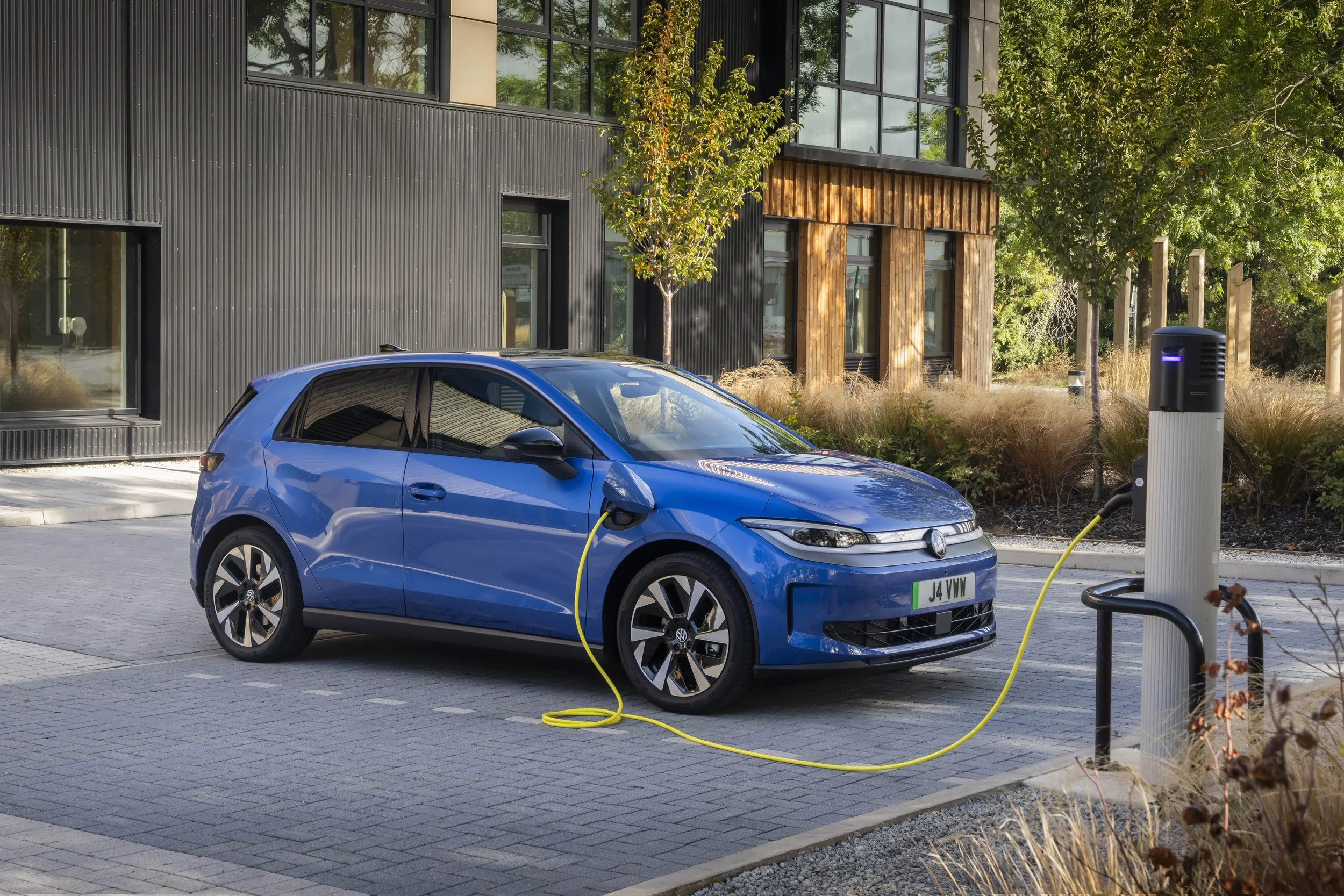
The 52kWh battery uses nickel manganese cobalt chemistry. With 211PS, this version reaches 62mph in 7.1 seconds and offers a claimed range of up to 281 miles, depending on specification. It is the version tested here.
Maximum DC charging rates are 88kW for the smaller battery and 105kW for the larger one. Volkswagen quotes 10–80 per cent charging times of 23 and 24 minutes respectively, under suitable conditions. Both accept up to 11kW AC charging, and vehicle-to-load capability provides up to 3.6kW to power external equipment.
Real-world range needs a more thorough test. At 90 per cent charge, the larger-battery launch car was predicting 195 miles, having already spent two days with other journalists. That is a dashboard estimate that may reflect previous use, rather than a measured result. With heavy rain and cool conditions during this drive, it would be premature to draw firm conclusions about efficiency.
I had been seeing 3.1–3.7 miles per kWh on motorway journeys in the closely related Cupra Raval, but those are the Cupra’s figures. The Polo needs its own longer assessment before I can say how far it will travel between charges in ordinary use. Initial real-world efficiency impressions are slightly underwhelming however.
On the road
Having arrived at the UK Media Launch of the ID.Polo in the Cupra Raval, I expected the two cars to feel fairly similar. They share a platform, but feel noticeably different on the road. The Cupra feels keener to turn into a corner, with a slightly firmer, sportier edge. The Volkswagen is more relaxed but the ride comfort in the ID.Polo is very impressive.
On the roads used for this drive, the Polo dealt with poor surfaces with a suppleness that made it easy to settle into. For a car likely to spend much of its time on local trips and commuting, that is a worthwhile quality.
It still feels nimble. Even with the larger battery, there is little sense of its weight in normal driving, and the light, direct steering makes it easy to place. The brake pedal feels reassuring, while selecting B increases regenerative braking and reduces the need to use the pedal as often around town.
The 211PS motor provides ample performance. Acceleration feels brisk from a standstill, with an immediate response when pulling out of junctions. Despite the wet roads, it put its power down cleanly during the drive. There was no sense that it needed more performance for the sort of everyday driving most owners will do.
Cabin noise is harder to judge. The launch took place during a named storm, and rain hitting the car dominated much of the journey. Some tyre rumble and passing traffic were audible, but a quieter day is needed to thoroughly assess road and wind noise properly.
Verdict 4.5/5
The ID. Polo looks promising as a small family car. Its rear passenger space and boot capacity give it more scope than the exterior dimensions suggest, and the comfortable ride is a particular strength. Volkswagen has also made the everyday controls easier to use, without sacrificing the quality of the displays - which are excellent.
The entry-level Life seems perfectly pitched; it has enough equipment to avoid feeling like a stripped-out version built around a headline price - it’s an entry-level trim that it feels like people may actually go for. For broader family use, the 52kWh Life looks the most appealing combination on paper, although its range still needs to be established over a longer test.
The undersized phone charging tray is a little irritating, rear passengers could use a few more amenities, and a heat pump costs extra. Despite these few ‘first world’ gripes - I came away wanting more time with the car; actually, I came away wanting the car (full-stop).
The ID.Polo feels thoughtfully developed, and it is a very car easy to like…maybe even love.
Let’s hope the low point of entry combined with VW’s strong residuals will mean that we see some tempting car lease deals on the ID.Polo - of course, I’ll be looking for them on Leasing.com